Should I Treat My Varicose Vein?
Varicose veins can be a bothersome and unsightly condition, but is it necessary to treat them? If you’re grappling with this question, you’re not alone. Many individuals wonder if they should seek varicose vein treatment or simply ignore the issue. The short answer is yes, varicose veins should always be treated. Some individuals believe that varicose veins are purely cosmetic, but that’s not true. Varicose veins cause leg pain, leg swelling, leg heaviness, restless leg syndrome, and other symptoms that can negatively affect your life.
Furthermore, varicose veins are often caused by chronic venous insufficiency, a medical condition caused by the collapse of vein valves. Venous insufficiency is a chronic condition, which means it only worsens with time. That’s why you must seek varicose vein treatments at the earliest stages possible to prevent the symptoms from worsening. Furthermore, minimally invasive vein treatments are safe, simple, in-office procedures without downtime, so there’s no excuse to delay seeking treatment.
Maryland Vein Clinic offers the latest and safest minimally invasive spider vein and varicose vein treatments. Our vein clinics are led by board-certified vein doctors specializing in cutting-edge treatments. You can find our vein clinic at 10215 Fernwood Rd, Suite 301, Bethesda, just outside of Washington, DC in Silver Spring. Please schedule an appointment today.
What Are Varicose Veins?
Varicose veins are swollen, twisted veins that often appear as bulging, blue or purple cords on the legs. These veins occur when the valves in your veins, responsible for ensuring one-way blood flow towards the heart, become weak or damaged. As a result, blood can flow backward and pool in the veins, causing them to enlarge and become varicose.
Proper blood flow in your legs is crucial for overall health and functionality. The veins in your legs are responsible for returning blood to the heart. When varicose veins hinder this process, it can lead to various uncomfortable symptoms and potentially serious complications.

Reasons to Seek Treatment for Varicose Veins
Symptomatic Relief
Varicose veins can cause a range of symptoms, including:
- Pain: Varicose veins can be painful, especially after prolonged periods of standing or sitting.
- Aching: You might experience a persistent ache in your legs.
- Heaviness: Your legs may feel heavy and fatigued.
- Swelling: Swelling in the legs and ankles is a common symptom of varicose veins.
- Cramping: Some individuals report experiencing cramps in their legs.
Prevention of Complications
Varicose veins, if left untreated, can lead to more serious complications, including:
- Skin Changes: Over time, varicose veins can cause changes in the skin, such as discoloration and the development of ulcers.
- Blood Clots: There is an increased risk of blood clots forming in varicose veins, which can be dangerous if they travel to other parts of the body.
- Bleeding: Varicose veins close to the surface of the skin are more susceptible to injury and can bleed profusely if injured.
Improvement in Aesthetics
While not everyone seeks varicose vein treatment for cosmetic reasons, some individuals are bothered by the appearance of bulging veins on their legs. Treating varicose veins can enhance the aesthetics of your legs and boost your self-confidence.
Treating Chronic Venous Insufficiency
Chronic Venous Insufficiency (CVI) is a condition where the veins in the legs fail to efficiently return blood to the heart. This can result in symptoms such as leg pain, swelling, and skin changes. Varicose veins are often a sign of underlying CVI. Treating varicose veins can help alleviate the symptoms of CVI and improve overall leg health.
Treatment Options at Maryland Vein Clinic
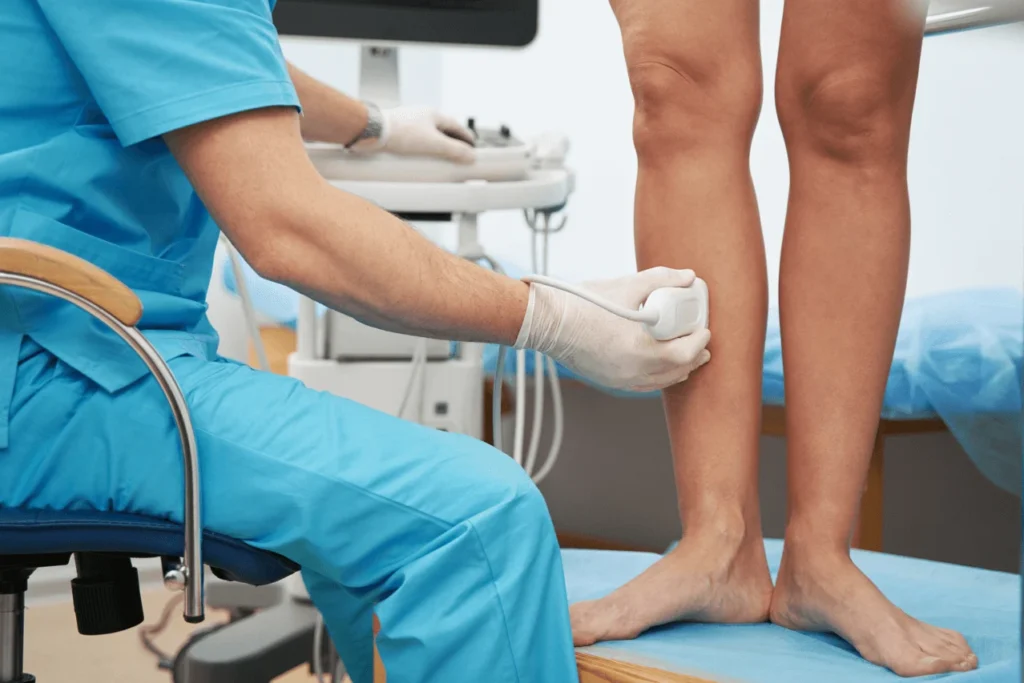
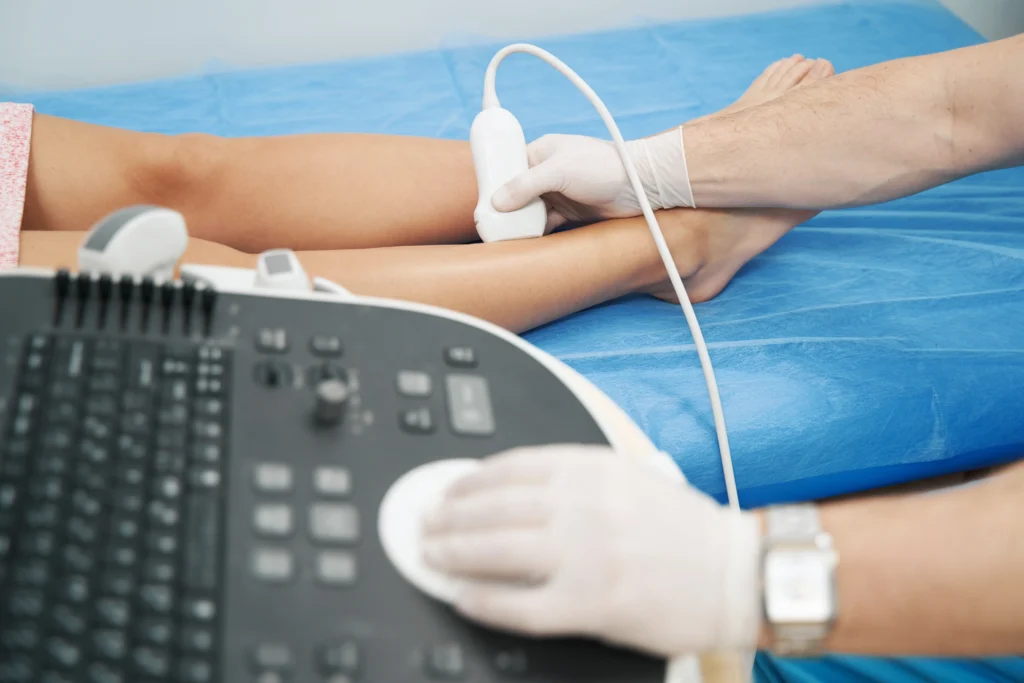
At Maryland Vein Clinic, we specialize in providing minimally invasive spider vein and varicose vein treatments. Our board-certified vein doctors are dedicated to delivering personalized care and helping you achieve optimal vascular health. Before discussing the specific treatment options, it’s important to note that we always diagnose the root cause of spider veins and varicose veins through vascular imaging and duplex ultrasound.
The following are our minimally invasive vein treatments:
- Sclerotherapy: Sclerotherapy is a common and effective treatment for varicose veins and spider veins. During this procedure, a special solution is injected directly into the affected veins, causing them to collapse and eventually fade away. Sclerotherapy is minimally invasive and typically requires little to no downtime.
- Endovenous Laser Ablation (EVLA): EVLA, often referred to as laser treatment, is another minimally invasive option for treating varicose veins. During EVLA, a laser fiber is inserted into the affected vein, and laser energy is used to seal the vein shut. This procedure is highly effective and offers a quicker recovery compared to traditional vein stripping.
- Radiofrequency Ablation (RFA): RFA is a technique that uses radiofrequency energy to heat and close off the diseased vein. Similar to EVLA, this procedure is minimally invasive and offers excellent results with minimal discomfort and downtime.
- ClariVein: ClariVein combines mechanical and chemical methods to treat varicose veins. A rotating catheter is used to disperse a medication within the vein, causing it to close.
- Ambulatory Phlebectomy: Ambulatory phlebectomy is a surgical procedure used to remove surface varicose veins through tiny incisions. While it is more invasive than the other options mentioned, it is still considered a minimally invasive procedure with relatively quick recovery.
The Benefits of Minimally Invasive Treatments
We emphasize minimally invasive treatments at Maryland Vein Clinic for these reasons:
- Faster Recovery: Minimally invasive procedures generally involve shorter recovery times compared to traditional surgical methods like vein stripping.
- Less Discomfort: Patients often experience less pain and discomfort with minimally invasive treatments.
- Lower Risk: The risk of complications, such as infection or scarring, is significantly reduced with minimally invasive approaches.
- Minimal Scarring: Minimally invasive procedures typically result in smaller, less noticeable scars.
- Outpatient Procedures: Most of these treatments can be performed on an outpatient basis, allowing you to return home the same day.
Avoid Long Periods of Sitting or Standing
In addition to considering varicose vein treatment, it’s essential to make lifestyle changes that can help manage your condition and prevent its progression.
Prolonged periods of standing or sitting can significantly exacerbate varicose veins. When you stand for extended durations, gravity forces blood to pool in the lower extremities, increasing the pressure on weakened vein walls. Similarly, sitting for long hours can impede blood flow from the legs back to the heart, causing blood to accumulate in the veins. This stagnant blood can lead to the development and worsening of varicose veins.
Here are some tips to help you manage your vein health:
- Movement: If your job involves long hours of sitting or standing, make an effort to move and change positions regularly. Simple leg exercises and stretches can help improve circulation.
- Elevation: Elevate your legs whenever possible, especially after long periods of sitting or standing. This can help reduce swelling and discomfort.
- Compression Stockings: Consider wearing compression stockings, which can provide support and improve blood flow in your legs.
- Weight Management: Maintaining a healthy weight can reduce the pressure on your veins and lessen the severity of varicose veins.
Other Lifestyle Changes:
- Healthy Diet: Maintain a diet rich in fiber, vitamins, and minerals to support overall cardiovascular health. A diet high in fruits and vegetables can promote blood vessel health.
- Hydration: Staying adequately hydrated helps maintain blood volume and promotes circulation. Aim to drink plenty of water throughout the day.
- Avoid Tight Clothing: Tight clothing, especially around the waist and thighs, can restrict blood flow. Opt for looser, more comfortable attire.
- Smoking Cessation: Smoking can have detrimental effects on circulation. Quitting smoking can improve your vascular health.
- Reduce Salt Intake: High salt intake can lead to water retention and exacerbate swelling in the legs. Limit your consumption of salty foods.
- Manage Blood Pressure: Keep your blood pressure within a healthy range to minimize stress on your blood vessels.
Frequently Asked Questions (FAQs)
Are varicose vein treatments painful?
Most modern varicose vein treatments, especially minimally invasive options like Sclerotherapy, Endovenous Laser Ablation (EVLA), and Radiofrequency Ablation (RFA), are well-tolerated and involve minimal discomfort. Patients typically experience only mild discomfort or a sensation of pressure during these procedures.
Is insurance coverage available for varicose vein treatment?
Insurance coverage for varicose vein treatment varies depending on the specific insurance plan and the medical necessity of the procedure. At Maryland Vein Clinic, we offer free insurance verification before your first appointment to determine your coverage eligibility. We work closely with patients to maximize insurance benefits whenever possible.
Can I resume normal activities after varicose vein treatment?
In most cases, patients can resume their normal activities shortly after varicose vein treatment. Minimally invasive procedures often require little to no downtime. However, strenuous activities and heavy lifting may need to be avoided for a specified period, typically a few days, depending on the specific treatment performed. Your vein doctor will provide you with detailed post-treatment instructions tailored to your situation.
Are varicose veins preventable?
While you cannot completely prevent varicose veins, adopting a healthy lifestyle, including regular exercise, maintaining a healthy weight, and avoiding prolonged periods of standing or sitting, can help reduce the risk of developing varicose veins. If you have a family history of varicose veins or other risk factors, early intervention and lifestyle modifications can be particularly beneficial in managing the condition.
Contact Maryland Vein Clinic
At Maryland Vein Clinic, we offer a range of minimally invasive treatment options led by our board-certified vein doctors. We begin with a thorough diagnosis to ensure a personalized treatment plan that addresses the root cause of your varicose veins. Don’t let varicose veins hold you back. Contact Maryland Vein Clinic today for a consultation and discover how our minimally invasive treatments can help you achieve healthier legs.