How do vein doctors treat varicose veins?
Do you have any varicose veins? These are those twisted, enlarged veins you can see just under the surface of your skin. They might be long, thin, or protruding, and they can be blue, red, or flesh-colored. They usually show up in your legs, but they can happen anywhere. For some people, varicose veins are just a cosmetic issue. But for others, they are painful and dangerous. They might ache, burn, or throb, make your legs feel heavy or tired, or even lead to cramping, itching, or swelling.
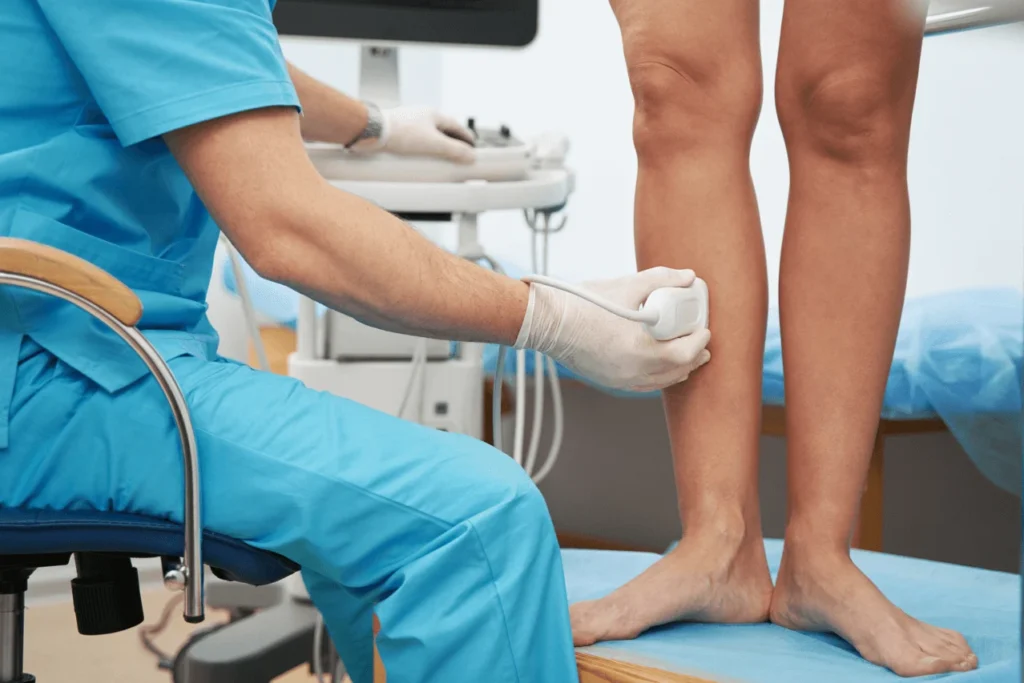
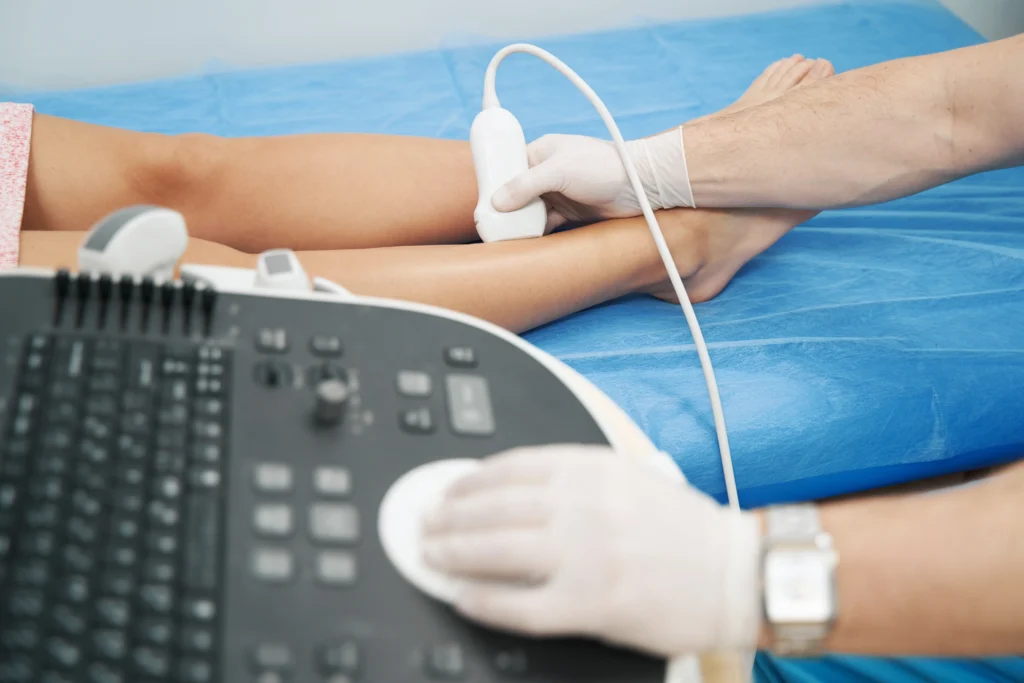
If you’re dealing with any of these symptoms, you might wonder how to get rid of varicose veins. The good news is that there are treatments available. Vein doctors, also called phlebologists, are specially trained to treat varicose veins. The first step is usually a consultation. The phlebologist will ask about your symptoms and do a physical exam. They might also order tests, like an ultrasound, to take a closer look at your veins and determine if your varicose veins are caused by underlying chronic venous insufficiency.
Based on all of this information, the vein doctor will create a treatment plan. It might include one or more of the following:
- Compression Stockings: These special stockings put pressure on your veins and help blood flow more smoothly. They don’t treat varicose veins, but they can prevent the condition from worsening and alleviate some of the symptoms of vein disease.
- Sclerotherapy: This is a procedure where the phlebologist injects a sclerosing solution into your veins. It irritates the vein walls and makes them collapse, turning them into hardened scar tissues eventually metabolized by the body. This procedure only works on small varicose and spider veins and can’t treat underlying vein disease.
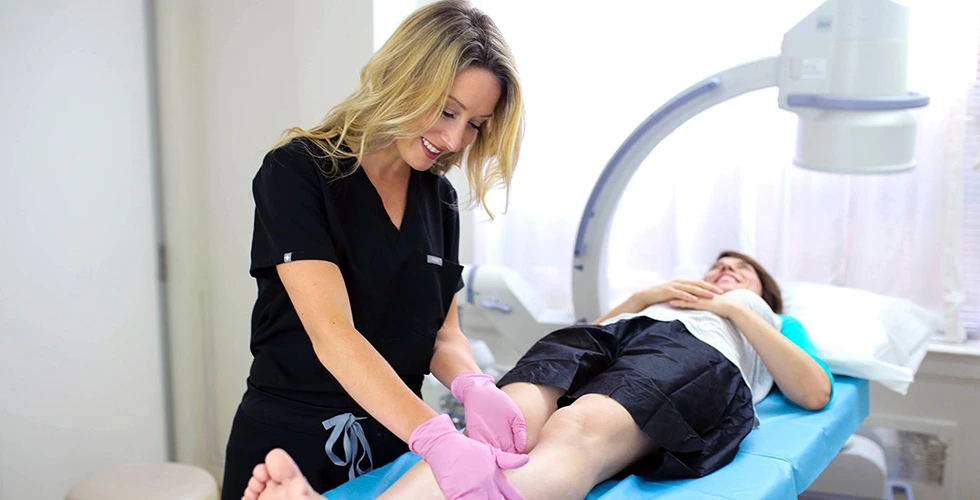
- Endovenous Ablation: This is a minimally invasive procedure where the phlebologist inserts a tiny catheter into your vein, which is used to heat and destroy the vein. The catheter generates radiofrequency or laser energy to destroy the diseased vein responsible for your vein problems. The accumulated blood automatically reroutes into healthier leg veins.
After the procedure, you’ll need to wear compression stockings for a few days or weeks. You might also need to take it easy and avoid strenuous activity. But most people can return to their normal activities pretty quickly. If you’re dealing with varicose veins, don’t wait to get help. Vein doctors can relieve your symptoms and help you eliminate those unsightly veins. But you need to act quickly — varicose veins worsen with time.

What happens if varicose veins are left untreated?
Varicose veins are caused by weak or damaged valves in your veins. These valves are responsible for keeping blood flowing in the right direction. When not working properly, blood can flow backward and pool in your veins. This can cause the veins to become enlarged and twisted. If varicose veins are left untreated, they can lead to several serious health problems, including:
- Burst Varicose Veins: While rare, this can happen if the pressure in your veins becomes too great. When a vein bursts, it can cause severe pain and bleeding.
- Skin Discoloration: If blood pools in your veins for a long time, it can cause your skin to turn a reddish-blue color. Insufficient blood circulation can also make your skin look pale.
- Leg Ulcers: When blood pools in your veins, it can cause the skin to break down and form ulcers. These ulcers can be painful and take a long time to heal, especially since your legs don’t have enough blood circulation to promote healing.
- Deep Vein Thrombosis: This is a serious condition when a blood clot forms in a deep vein. If the clot breaks loose, it can travel to your lungs and cause a pulmonary embolism, which can be fatal. This is one of the most dangerous complications of untreated vein disease.
Maryland Vein Clinic is a state-of-the-art vein center located at 10215 Fernwood Rd, Suite 301, Bethesda, Maryland. Our vein center in Maryland is led by board-certified vein doctors specializing in minimally invasive spider vein and varicose vein treatments, such as endovenous ablation and ambulatory phlebectomy. We have a perfect track record because of our considered approach to vein care. Please schedule an appointment if you have varicose veins.
How long does it take to recover from the removal of varicose veins?
Several things can affect how long it takes to recover from the removal of varicose veins. This includes the type of procedure used, how many veins were removed, the person’s age and health, and whether or not they have any other underlying medical conditions. That said, most people can return to regular activities immediately after the procedure. However, it is important to take it easy and avoid strenuous workouts, as this can increase your risk of developing blood clots.
You should also avoid prolonged standing or sitting, as this can strain your veins. The following are some post-treatment recovery guidelines to follow:
- Wear compression stockings: Compression stockings are an important part of post-treatment care for minimally invasive varicose vein treatments. They apply pressure to the veins, prevent blood accumulation in the leg veins, and facilitate a smooth recovery.
- Avoid sitting or standing for long periods: This can put unnecessary strain on the veins and cause them to enlarge.
- Exercise: Exercise promotes good blood circulation and helps to prevent varicose veins from developing. Some of the best exercises include walking, running, and cycling.
These simple tips ensure that your veins stay healthy and free of varicose veins.