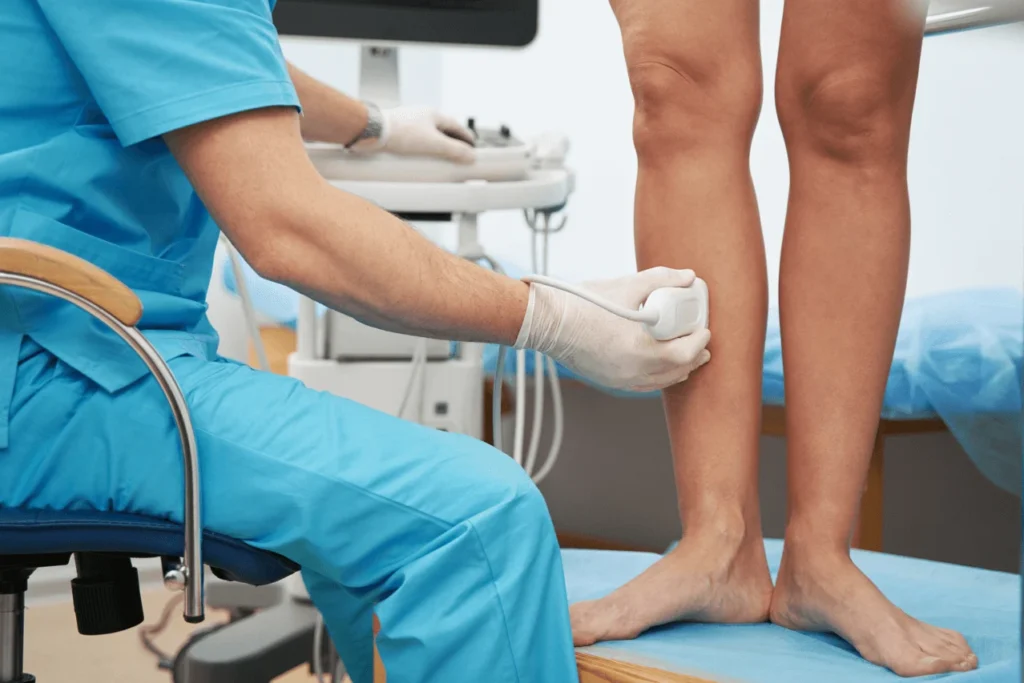
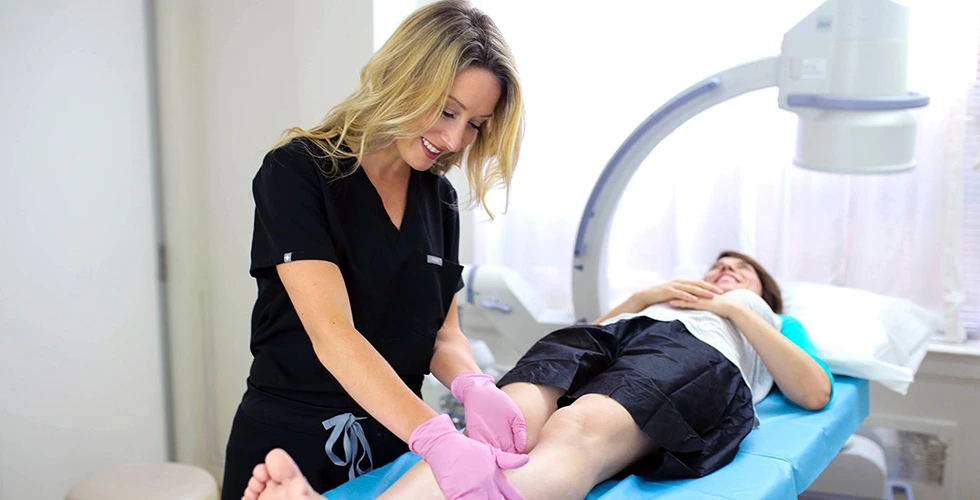
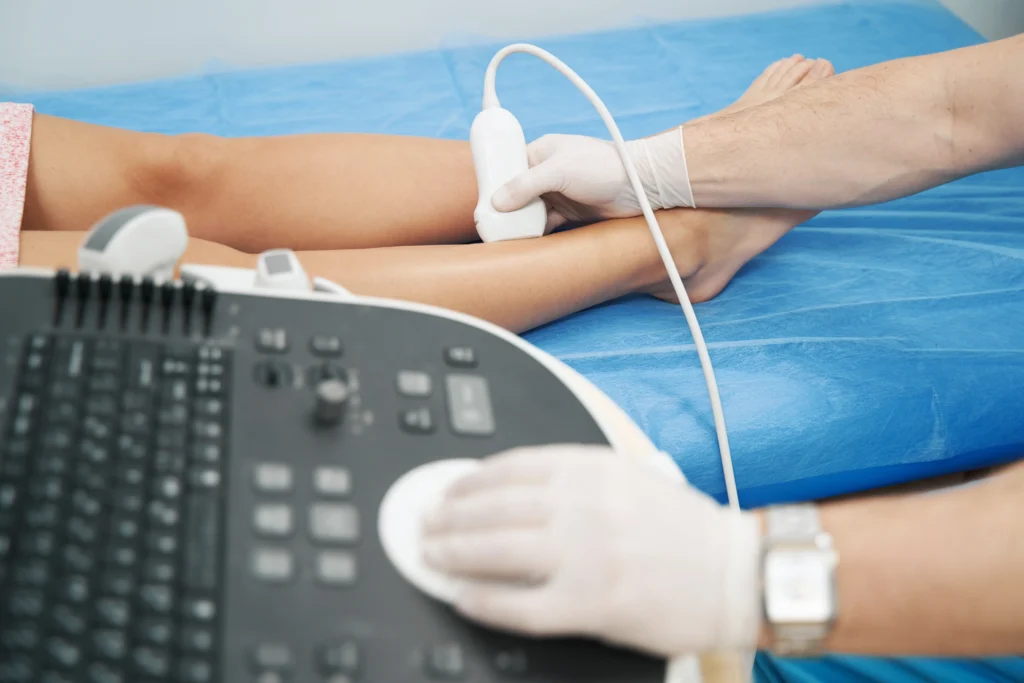
Your veins play a crucial role in your body’s circulatory system by transporting blood from your organs and limbs back to your heart. Healthy veins have strong walls that can withstand the constant pressure of blood flow. However, certain lifestyle choices and health conditions can weaken the vein wall and damage the valves inside, leading to poor blood flow and a range of complications. In this article, we will discuss what unhealthy veins look like, the causes of unhealthy veins, and the treatment options available at Maryland Vein Clinic.
Unhealthy Veins: What to Look For
Unhealthy veins can lead to a range of symptoms and can be identified by their appearance and symptoms. Here are some additional details about the signs of unhealthy veins:
- Varicose Veins: Varicose veins are the most common sign of unhealthy veins. They are often found in the legs, but can also appear in other parts of the body. Varicose veins are enlarged, twisted veins that are often visible under the skin. They can be blue, purple, or red in color and may bulge out from the surface of the skin. Varicose veins can cause discomfort, aching, swelling, and heaviness in the legs.
- Spider Veins: Spider veins are small, thin veins that can be seen just below the surface of the skin. They are often red, blue, or purple and may resemble spider webs or tree branches. Spider veins are most commonly found on the legs and face. While spider veins are generally not considered a serious health concern, they can be a cosmetic concern for some people.
- Leg Pain: Unhealthy veins can cause chronic leg pain, which may feel like a dull ache or a sharp, shooting pain. The pain may worsen when sitting or standing for long periods of time. Leg pain can be a sign of chronic venous insufficiency, which is a condition where the valves in the veins of the legs are not working properly.
- Swelling: Unhealthy veins can cause swelling in the legs and feet, which may be accompanied by a feeling of heaviness or fatigue. Swelling may be more noticeable at the end of the day and may improve with rest or elevation of the legs.
- Skin Changes: Unhealthy veins can cause changes in the skin around the affected veins. The skin may appear brown or red, and may be itchy or dry. Skin changes are most common around the ankles and may be a sign of chronic venous insufficiency.
- Restless Leg Syndrome: Unhealthy veins can also cause restless leg syndrome, which is a condition where you feel an uncontrollable urge to move your legs, especially at night. This can be a sign of chronic venous insufficiency.
- Ulcers: In severe cases of chronic venous insufficiency, ulcers can develop on the skin around the affected veins. These ulcers may be painful and slow to heal.
- Blue or Red Veins: In addition to varicose and spider veins, unhealthy veins can also appear as blue or red veins under the skin.
- Numbness or Tingling: Unhealthy veins can cause numbness or tingling in the legs, which may be a sign of nerve damage.
- Fatigue: Unhealthy veins can cause feelings of fatigue or tiredness, which may be related to poor circulation.
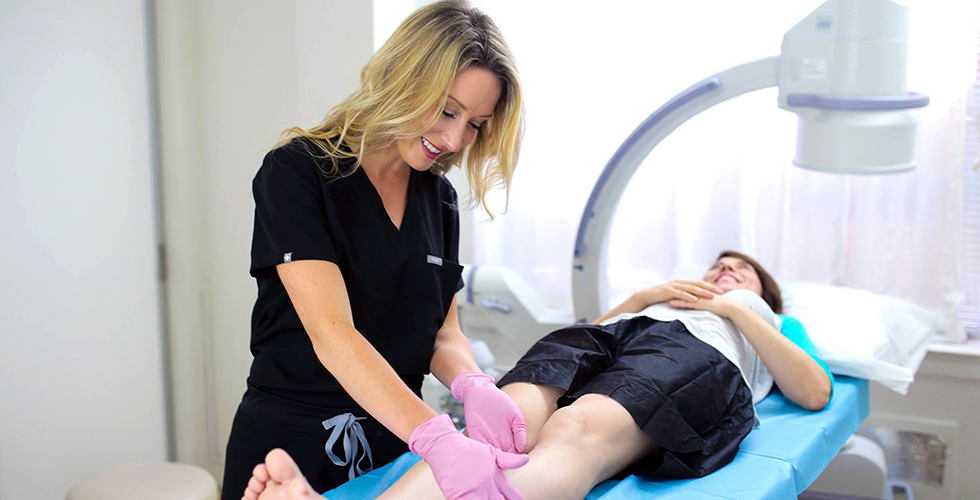
Causes of Unhealthy Veins
There are several factors that can increase your risk of developing unhealthy veins. These include:
- Standing or Sitting for Long Periods of Time: When you stand or sit for long periods of time, blood can pool in the veins of your legs, leading to weakened vein walls and damaged valves.
- Deep Vein Thrombosis (DVT): DVT is a blood clot that forms in a deep vein, usually in the legs. DVT can damage the vein walls and valves, leading to chronic venous insufficiency.
- Family History: If your family members have a history of varicose veins, you are more likely to develop them as well.
- Obesity: Being overweight puts extra pressure on the veins in your legs, which can lead to weakened vein walls and damaged valves.
- Pregnancy: During pregnancy, the amount of blood in your body increases, which can put extra pressure on the veins in your legs. Hormonal changes during pregnancy can also weaken vein walls and valves.
Preventing Unhealthy Veins
While some risk factors for unhealthy veins, such as family history, cannot be controlled, there are several lifestyle changes you can make to reduce your risk. Here are some tips:
- Stay Active: Regular exercise can help improve circulation and reduce the risk of unhealthy veins.
- Maintain a Healthy Weight: Being overweight puts extra pressure on the veins in your legs, increasing the risk of weakened vein walls and damaged valves.
- Avoid Sitting or Standing for Long Periods: If your job requires long periods of sitting or standing, take breaks and move around whenever possible.
- Elevate Your Legs: Elevating your legs above heart level for 15-20 minutes at a time can help improve circulation and reduce swelling.
- Wear Compression Stockings: Compression stockings can help improve blood flow and reduce the risk of developing varicose veins.
Visit Maryland Vein Clinic
At Maryland Vein Clinic, we understand that navigating the world of health insurance can be confusing and overwhelming. That’s why we offer free insurance verification even before your first appointment. We work with most major insurance providers and can help you determine your coverage and out-of-pocket expenses.
Maryland Vein Clinic is conveniently located just outside of Washington, DC in Silver Spring, Maryland. Our clinic is easily accessible and offers a welcoming and comfortable environment for all of our patients. If you are experiencing any symptoms of unhealthy veins or are concerned about your risk, we encourage you to schedule a consultation with one of our board-certified vein doctors. We are committed to providing personalized care and helping you achieve optimal vein health. Contact us today to schedule an appointment.