What doctor treats vein problems?
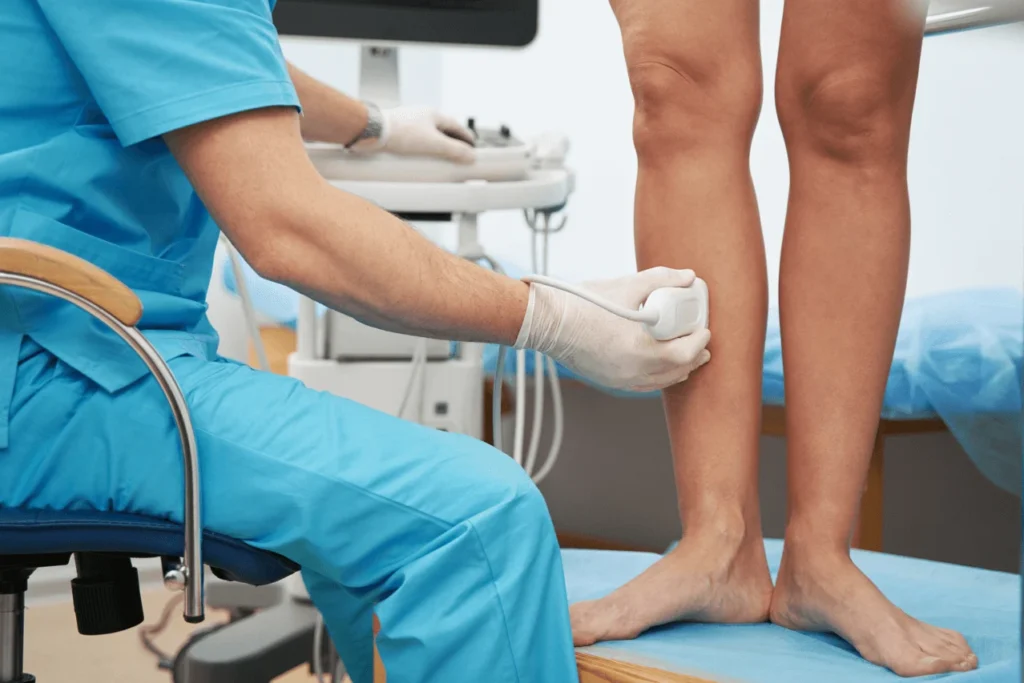
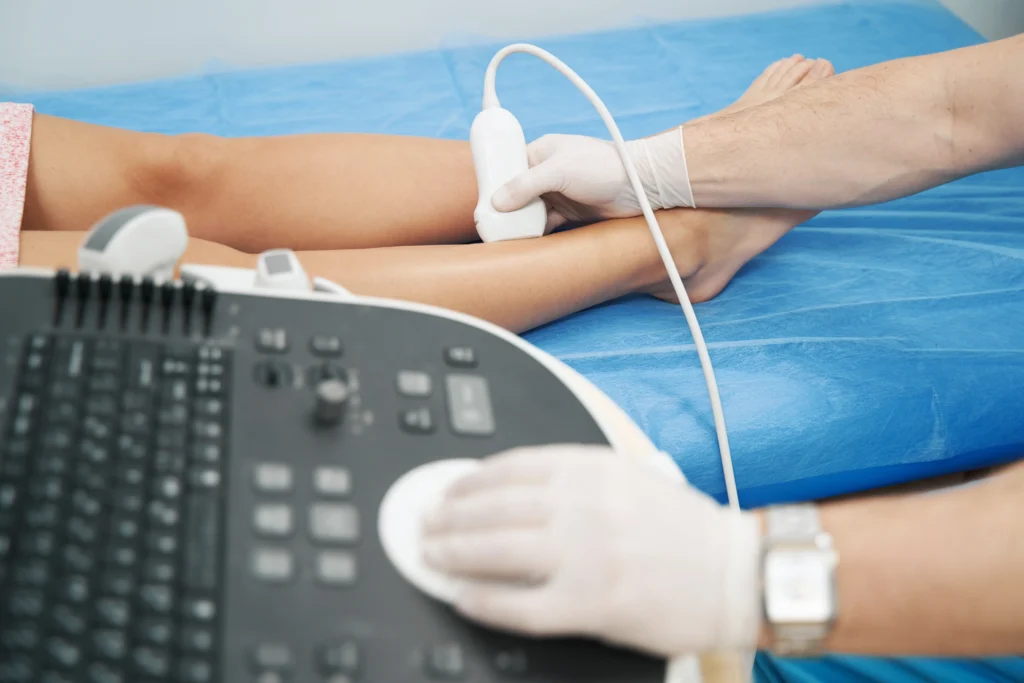
If you’re experiencing vein problems, please consult a vein doctor, also known as a phlebologist. Phlebologists are medical doctors who have completed additional training and certification in diagnosing and treating vein disorders.
To become a phlebologist, a doctor must complete medical school and receive a medical degree. This is followed by a period of postgraduate training, called a residency, in a specific medical field, such as internal medicine. After residency, doctors specializing in vein care must undergo additional training through a fellowship program in phlebology.
During the fellowship, phlebologists-in-training learn about the anatomy and physiology of the circulatory system, focusing on the veins. They also learn how to diagnose and treat a wide range of vein disorders, including leg swelling, restless leg syndrome, varicose veins, spider veins, deep vein thrombosis, and chronic venous insufficiency.
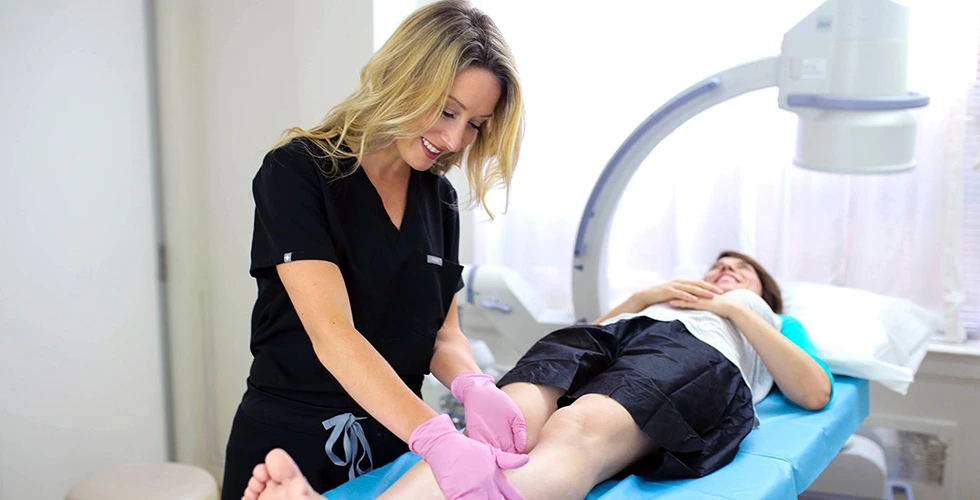
Phlebologists use various techniques to treat vein problems, including sclerotherapy, laser ablation, and surgery. Sclerotherapy involves injecting a solution into the affected vein to seal it shut, while laser ablation uses laser energy to close the vein. In some cases, surgery may be necessary to remove the damaged vein.
It’s important to consult a phlebologist if you’re experiencing any symptoms of vein problems, such as swollen legs, aching or cramping in the legs, or skin changes in the affected area. These symptoms can signify a more serious underlying condition, and early treatment can prevent the condition from worsening.
In addition to treating vein disorders, phlebologists also play a crucial role in preventing vein problems from occurring in the first place. They can provide recommendations for lifestyle changes, such as regular exercise and weight management, to help improve circulation and reduce the risk of vein disorders.
Where can I get my varicose veins removed?
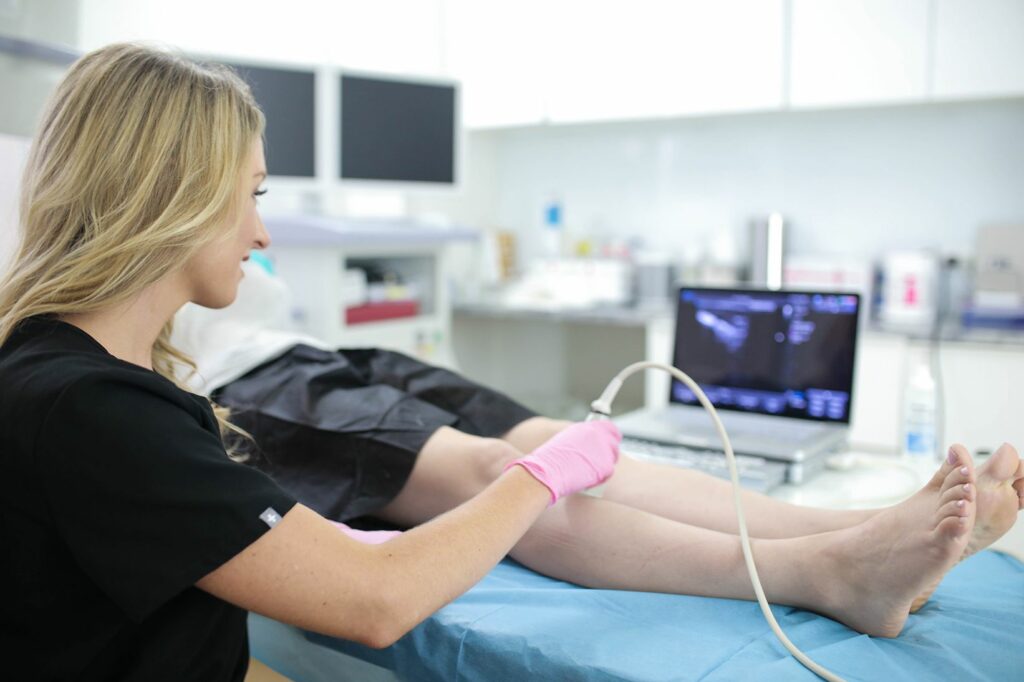
If you want to remove your varicose veins, you can undergo treatment at a vein clinic. In Maryland, several reputable vein clinics specialize in minimally invasive treatments for spider and varicose veins.
One of Washington DC’s most well-known vein clinics is Maryland Vein Clinics. Our state-of-the-art facility offers a wide range of treatments for vein disorders, including sclerotherapy, laser ablation, and VenaSeal. The team at Maryland Vein Clinics is highly trained and experienced in the latest techniques for vein care, and we are committed to providing patients with the best possible care.
In addition to comprehensive vein treatment services, Maryland Vein Clinics is known for its commitment to patient satisfaction. Our team is led by compassionate and dedicated vein doctors committed to helping patients feel comfortable and informed throughout the treatment process. Our vein doctors are board-certified and fellowship-trained in the latest minimally invasive treatments.
If you’re considering getting your varicose veins removed, you can trust the experts at Maryland Vein Clinics to provide the highest quality care. Whether dealing with unsightly spider veins or more serious varicose veins, the team at Maryland Vein Clinics can help you achieve the healthy, beautiful legs you deserve.
You can find our vein clinic at 10215 Fernwood Rd, Suite 301, Bethesda, Maryland, just outside Washington, DC, in Silver Spring. Please schedule an appointment online today.
Which specialist treats varicose veins?
If you suffer from varicose veins, you’ll want to visit a specialist to get relief. Fortunately, a phlebologist is the right medical professional for the job. This kind of doctor specializes in the diagnosis and treatment of vein diseases. They are trained to diagnose and treat issues like spider veins, varicose veins, and venous insufficiency. Don’t wait any longer to get the help your legs need; visit a phlebologist today!
When to see a vascular specialist?
A vein specialist, also known as a phlebologist, is a medical doctor who has received additional training and certification in diagnosing and treating vein disorders. Phlebologists are experts in treating conditions that affect the veins, including those that can lead to serious complications if left untreated.
There are several signs that you may need to see a vein specialist. If you’re experiencing any of the following symptoms, it’s important to consult a vein specialist:
- Swelling in the legs or ankles: Swelling in the legs or ankles can signify a vein problem, such as venous insufficiency or deep vein thrombosis.
- Aching or cramping in the legs: Aching or cramping in the legs can signify a vein problem.
- Varicose veins: Varicose veins are enlarged, twisted veins that are visible under the skin. They are often painful and can cause swelling and discomfort.
- Spider veins: Spider veins are small, red, purple, or blue veins that are visible under the skin. They are often considered cosmetic issues but can also be a sign of an underlying vein problem.
- Leg ulcers: Leg ulcers are open wounds that can be difficult to heal. They are often caused by poor circulation and can signify a more serious underlying condition.
- Deep vein thrombosis: Deep vein thrombosis is a condition in which a blood clot forms in a deep vein, usually in the leg. If left untreated, the blood clot can break loose and travel to the lungs, leading to a potentially life-threatening condition called pulmonary embolism.
- Venous insufficiency: Venous insufficiency is a condition in which the veins cannot effectively return blood from the legs to the heart. This can lead to swelling, aching, and discomfort in the legs.
Overall, it’s important to see a vein specialist if you’re experiencing any symptoms related to a vein problem. Early treatment can help prevent serious complications and improve your quality of life. A vein specialist is highly qualified to diagnose and treat a wide range of vein disorders, and they can provide you with the care you need to feel your best.