Are you suffering from spider or varicose veins and wondering what a vein clinic can do for you? Maryland Vein Clinic is here to provide answers to all your questions. Led by board-certified vein doctors, we specialize in minimally invasive treatments for various vein problems, including spider veins, varicose veins, and chronic venous insufficiency. In this article, we address common inquiries regarding vein clinics, their services, and the treatments they offer.
What Is a Vein Clinic? What Does a Vein Clinic Do?
A vein clinic is a medical facility specializing in the diagnosis and treatment of vein conditions, including spider veins and varicose veins. Vein clinics are staffed by highly trained medical professionals, often led by board-certified vein doctors, who use state-of-the-art techniques to address venous disorders. Vein clinics like Maryland Vein Clinic focus on offering minimally invasive procedures to improve the appearance and function of your veins.
Why Choose Maryland Vein Clinic?
- Specialized Expertise: Our vein clinics are led by board-certified vein doctors with years of experience in diagnosing and treating vein conditions.
- Personalized Treatment Plans: We prioritize the accurate diagnosis of your condition through vascular imaging and duplex ultrasound.
- Minimally Invasive Approaches: We offer a range of minimally invasive treatments, ensuring you receive effective care with minimal discomfort.
- Insurance Verification: We provide free insurance verification even before your first appointment, making it easier for you to navigate the financial aspects of your treatment.
What Are Spider and Varicose Veins?
- Spider Veins: These are small, dilated blood vessels that often appear close to the skin’s surface. They are characterized by a web-like or spiderweb appearance and are typically red, blue, or purple in color. Spider veins are usually found on the legs or face.
- Varicose Veins: Varicose veins are larger, twisted veins that can cause discomfort and pain. They often appear on the legs and can bulge out, causing the skin to protrude. Varicose veins can lead to symptoms like aching, throbbing, and fatigue in the legs.
How Are Vein Problems Diagnosed?
Diagnosing vein problems is a crucial first step in determining the right treatment. At Maryland Vein Clinic, we use advanced techniques to identify the root cause of your vein issues:
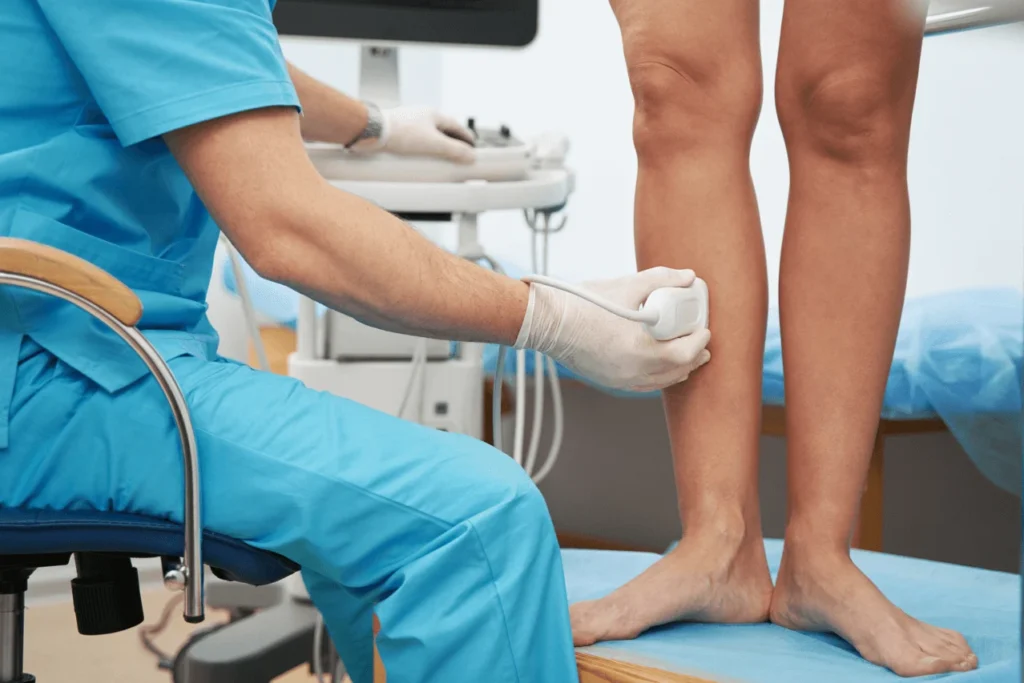
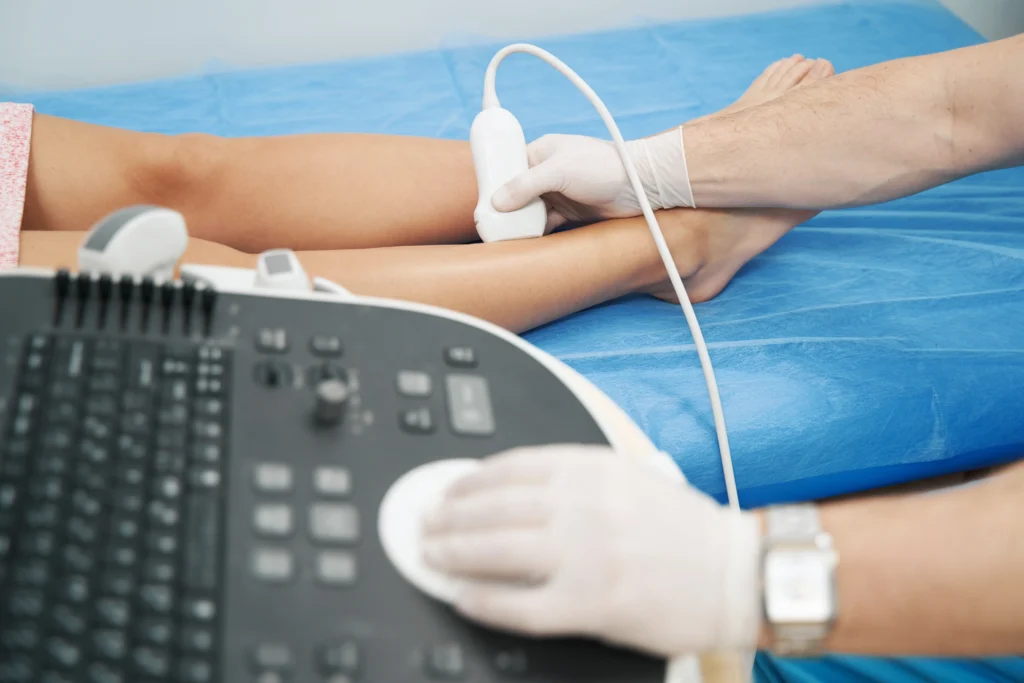
- Vascular Imaging: Our vein specialists use non-invasive imaging techniques like ultrasound to visualize the blood flow in your veins. This helps us identify any abnormalities or blockages.
- Duplex Ultrasound: This specialized ultrasound technique combines traditional ultrasound with Doppler ultrasound to provide detailed images of the veins and assess blood flow patterns. It helps pinpoint the exact location and severity of the vein problem.
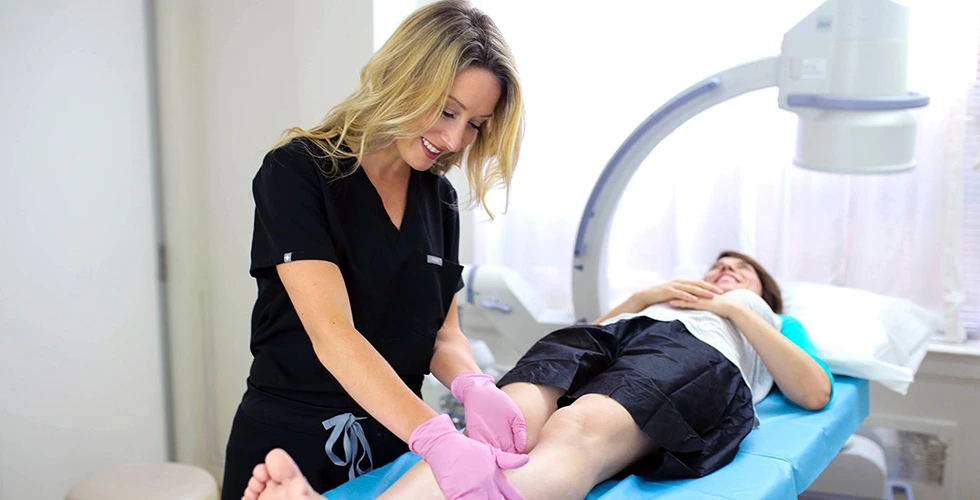
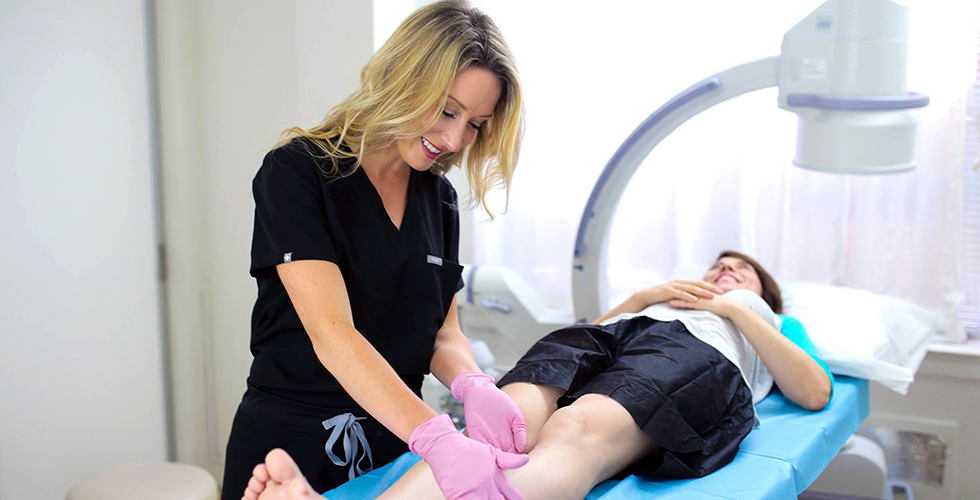
- Physical Examination: During your consultation, our vein doctors carefully examine your leg veins. They identify the signs of vein disease and measure the size of your veins. They also discuss your symptoms and determine the likelihood of chronic venous insufficiency.
What Treatments Can Vein Specialists Perform?
Vein specialists at Maryland Vein Clinic can perform a variety of minimally invasive treatments to address vein issues, including:
- Sclerotherapy: This treatment involves injecting a solution directly into the affected vein, causing it to collapse and eventually be absorbed by the body. Sclerotherapy is highly effective for treating spider veins and smaller varicose veins.
- Endovenous Laser Ablation (EVLA): EVLA treats varicose veins. A laser fiber is inserted into the vein, delivering energy that seals the vein, redirecting blood flow to healthier veins.
- Radiofrequency Ablation (RFA): Similar to EVLA, RFA uses radiofrequency energy to close off problematic veins. It’s a minimally invasive outpatient procedure with excellent results.
- VenaSeal: VenaSeal is a newer treatment option that uses a medical adhesive to seal the affected vein. This procedure is virtually painless and highly effective.
- ClariVein: ClariVein combines mechanical and chemical techniques to treat varicose veins. It involves a small catheter that rotates inside the vein while delivering a sclerosing solution to close the vein closed. The accumulated blood reroutes to healthier leg veins.
- Ambulatory Phlebectomy: This procedure is used for the removal of larger surface varicose veins through small incisions on the skin. It is minimally invasive and leaves minimal scarring.
Are Minimally Invasive Treatments Effective?
Yes, minimally invasive treatments offered at Maryland Vein Clinic are highly effective in treating vein conditions. These procedures are designed to target the underlying issue while minimizing discomfort and recovery time. Here’s why they are preferred:
- High Success Rates: Minimally invasive treatments have shown consistently high success rates (exceeding 97%) in treating spider veins and varicose veins.
- Minimal Discomfort: Patients typically experience less pain and discomfort compared to traditional vein surgeries.
- Shorter Recovery Time: Minimally invasive procedures often allow patients to return to their normal activities more quickly.
- Lower Risk of Complications: These procedures are associated with a lower risk of complications compared to open surgery.
- Improved Cosmetic Outcomes: Minimally invasive treatments focus on preserving the cosmetic appearance of the skin, making them an attractive option for those concerned about the aesthetics of their legs.
Do I Need Compression Stockings?
Compression stockings are commonly recommended by vein specialists as part of the treatment plan for certain vein conditions. These specially designed stockings provide graduated compression, which means they exert the most pressure at the ankle and gradually decrease in pressure as they move up the leg. Here’s why compression stockings may be recommended:
- Improved Blood Flow: Compression stockings help improve blood circulation in the legs by providing external support to the veins, preventing blood from pooling.
- Reduced Swelling: They can reduce leg swelling, a common symptom of vein problems.
- Symptom Relief: Wearing compression stockings may alleviate symptoms such as leg pain, heaviness, and fatigue.
- Prevention: In some cases, compression stockings are recommended to prevent the development of new spider or varicose veins and to support the success of vein treatments.
It’s essential to follow your vein specialist’s guidance regarding the type and duration of compression stocking use, as it can vary based on your specific condition. Compression stockings can reduce the risk of vein problems, stop the progression of varicose veins, support healing after vein treatments, and minimize the risk of recurrence. But compression stockings can’t treat spider veins, varicose veins, or underlying vein disease.
Is Vein Treatment Painful?
Minimally invasive vein treatments are generally well-tolerated and cause minimal discomfort. Most patients report only mild sensations during the procedures, such as a slight burning or tingling sensation. Local anesthesia is used to numb the treatment area for patient comfort.
After the procedure, some patients may experience mild soreness, bruising, or swelling, but these symptoms are temporary and can be managed with over-the-counter pain relievers. Your comfort and well-being are a top priority at Maryland Vein Clinic, and our vein specialists take measures to ensure you have a positive treatment experience.
What Is the Recovery Process Like?
The recovery process following minimally invasive vein treatments is relatively straightforward. Here’s a general overview of what you can expect:
- Immediate Recovery: Most patients can resume their daily activities immediately. You may be encouraged to walk and stay active to promote healthy blood circulation.
- Post-Treatment Care: You may be advised to wear compression stockings and avoid strenuous activities for a specified period following the procedure.
- Follow-Up Appointments: Regular follow-up appointments are scheduled to monitor your progress and ensure that the treatment has been successful.
- Long-Term Care: Maintaining a healthy lifestyle, including regular exercise and proper nutrition, can help prevent the recurrence of vein issues.
How Can I Schedule an Appointment?
Scheduling an appointment with Maryland Vein Clinic is a straightforward process. Reach out to us by phone or through our website to request an appointment. Our friendly staff will guide you through the initial steps, which may include a free consultation and insurance verification.
- Evaluation: During your appointment, our vein specialist will conduct a comprehensive evaluation, including a physical examination and diagnostic tests if necessary.
- Treatment Plan: Based on the evaluation results, a personalized treatment plan will be discussed with you, addressing your specific needs and goals.
- Procedure: If a minimally invasive procedure is recommended, it will be scheduled at a convenient time for you. The procedure usually takes 30 to 60 minutes.
At Maryland Vein Clinic, we prioritize patient convenience and well-being throughout. Maryland Vein Clinic is dedicated to providing comprehensive care for spider veins and varicose veins. Please schedule an appointment to initiate your journey to optimal vascular health.