What is the best treatment for venous insufficiency?
Venous insufficiency is a common problem affecting millions of people worldwide. It occurs when veins cannot adequately return blood from the legs back to the heart and can cause pain, swelling, cramping, and skin discoloration of the legs. People with venous insufficiency can experience varying symptoms, ranging from mild and manageable to more serious and disabling. Thankfully, many treatments are available for people suffering from this condition.
The first line of treatment for venous insufficiency is lifestyle changes. These include regular exercise (such as walking), wearing compression stockings, and elevating the legs while resting. These changes can help alleviate symptoms and improve overall circulation. People should also modify their diet to include more fiber-rich foods such as fruits and vegetables and reduce their daily sodium intake.
If lifestyle modifications are not enough to manage symptoms of venous insufficiency, then medical treatments may become necessary. Lifestyle changes can reduce the symptoms of venous insufficiency, but they can’t treat the underlying problem. You must contact board-certified vein doctors in Maryland to explore your vein treatment options. Some of the best venous insufficiency treatments include radiofrequency and laser ablation.
Laser and radiofrequency ablation are minimally invasive procedures performed under local anesthesia. The vein doctor makes a small incision on the skin’s surface to insert a specialized catheter that generates thermal or laser energy to collapse the diseased saphenous vein responsible for your vein problems. The body eventually resorbs the diseased vein, and the accumulated blood reroutes into healthier leg veins. These procedures address the root cause of venous insufficiency, and you can resume your daily activities immediately.
Maryland Vein Clinic is a state-of-the-art vein clinic specializing in the latest and safest minimally invasive procedures in Maryland. Our vein clinics are led by board-certified vein doctors who curate personalized treatment plans to address the root cause of your vein problems — not just the symptoms. You can find our vein clinics at 10215 Fernwood Rd, Suite 301, Bethesda, just outside Washington, DC, in Silver Spring.
Please schedule an appointment to explore your treatment options for varicose veins.
What are the risk factors for chronic venous insufficiency?
Chronic venous insufficiency is a condition that affects the venous system’s ability to properly return blood to the heart from the lower body. It is a common issue among adults and can be very painful and uncomfortable. There are several risk factors for chronic venous insufficiency, and understanding them can be important in the prevention and effective treatment.
Age is a primary risk factor for chronic venous insufficiency since the blood vessels become weaker and less effective in circulation with age. People over 50 are at a much higher risk than younger individuals. Moreover, a history of deep venous thrombosis, a blood clot in the leg’s deep veins, can also increase the chances of chronic venous insufficiency. Other conditions, such as varicose veins and pregnancy, can also be risk factors.
In addition to these medical factors, lifestyle habits can contribute to a person’s risk of chronic venous insufficiency. People who are obese or inactive are more likely to suffer from the condition, as well as individuals who work at a job that requires prolonged standing or sitting. Poor nutrition, smoking, and excessive use of alcohol can also be contributing factors.
As with most health issues, prevention is key. Maintaining a healthy weight, exercising regularly, and eating a well-rounded diet are important. If you’re prone to standing or sitting for long periods, take regular breaks, get up, and move about. If you have any medical conditions that could be a risk factor for chronic venous insufficiency, talk to your healthcare provider about the proper treatment and prevention.
How can duplex ultrasound diagnose vein disease?
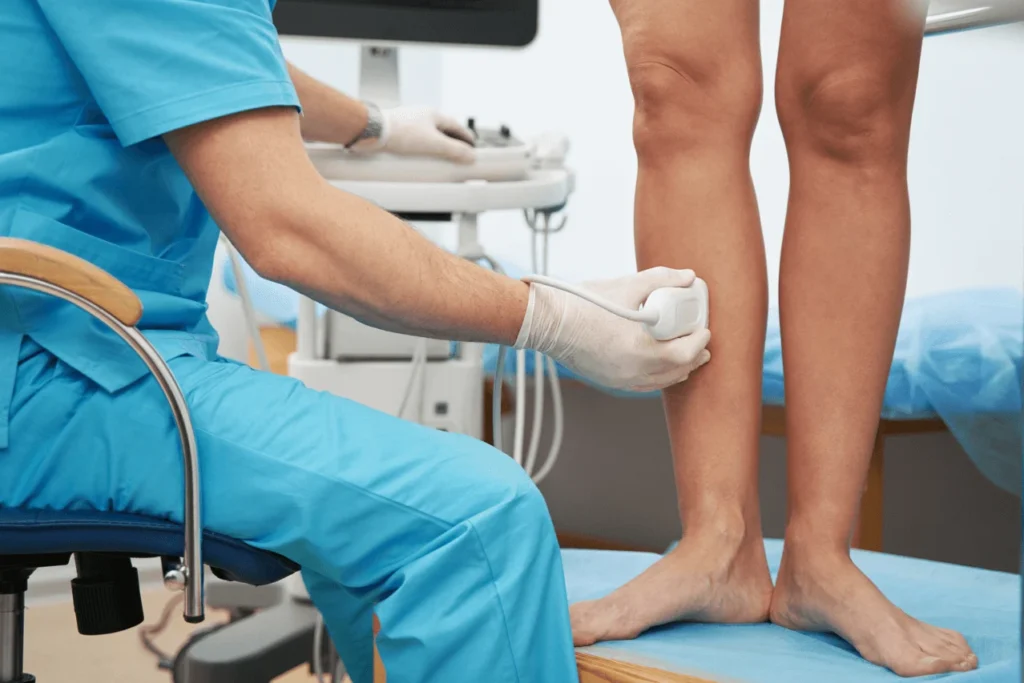
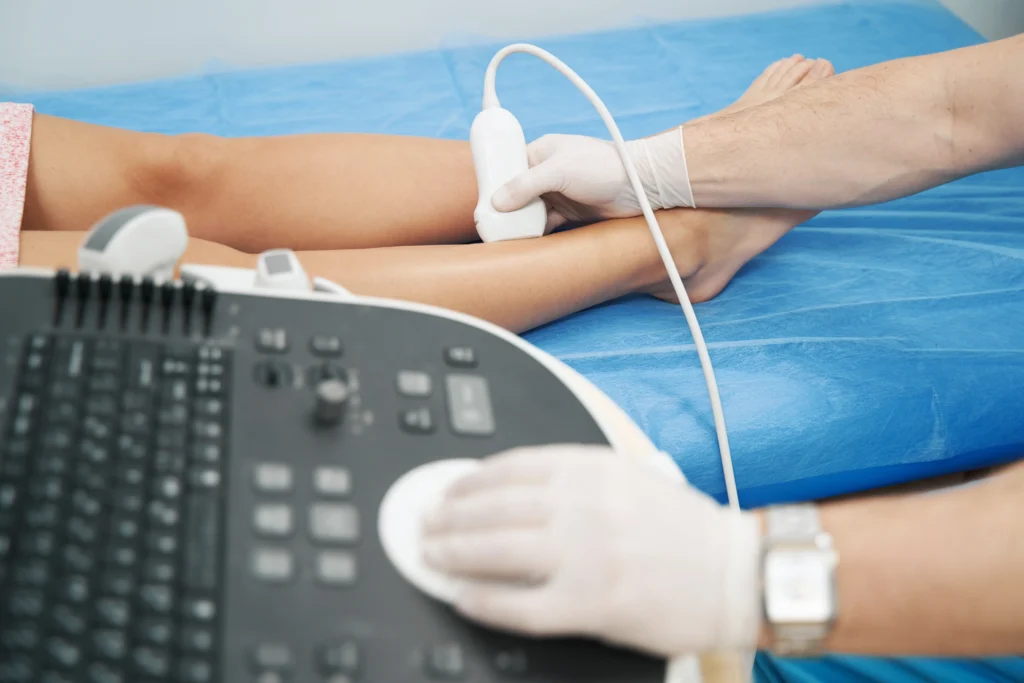
Duplex ultrasound is a helpful diagnostic tool for diagnosing vein diseases. This tool is non-invasive, allowing the vein doctor to look at the affected veins and arteries to examine the blood flow. The doppler ultrasound can help pick up any blood flow changes indicative of vein disease. Combining this imaging technology with other diagnostic techniques enables the vein doctor to make a precise diagnosis of the type of vein disease present and the best treatment plan for the patient.
Should I get my varicose veins treated?
If you have varicose veins and are considering whether you should get them treated, the answer is a resounding yes! It’s important to take care of your health, and varicose veins can be uncomfortable and even painful, making you more prone to serious complications like blood clots, superficial thrombophlebitis, and ankle swelling. With treatment, you can free yourself of the aches and pains and enjoy the confidence of knowing that the risk of serious health issues is much lower.
Do varicose veins cause high blood pressure?
No, varicose veins usually do not cause high blood pressure. They are a common issue for many people, but high blood pressure is usually caused by other factors such as stress, diet, age, and genetics. While having varicose veins isn’t likely to lead to high blood pressure, it is important to get any underlying vein conditions checked out by a doctor to ensure proper circulation and overall good health.