All minimally invasive vein treatments are effective
There are many factors that go into finding the most effective treatment for varicose veins. The first is to find the root cause of your varicose veins. There are many possible risk factors, such as genetics, pregnancy, obesity, and a sedentary lifestyle. But the primary root cause of varicose veins is a circulatory disorder known as chronic venous insufficiency, which leads to backward blood circulation in your leg veins because of damaged vein valves. Once the root cause is determined, your vein treatment plan can be created.
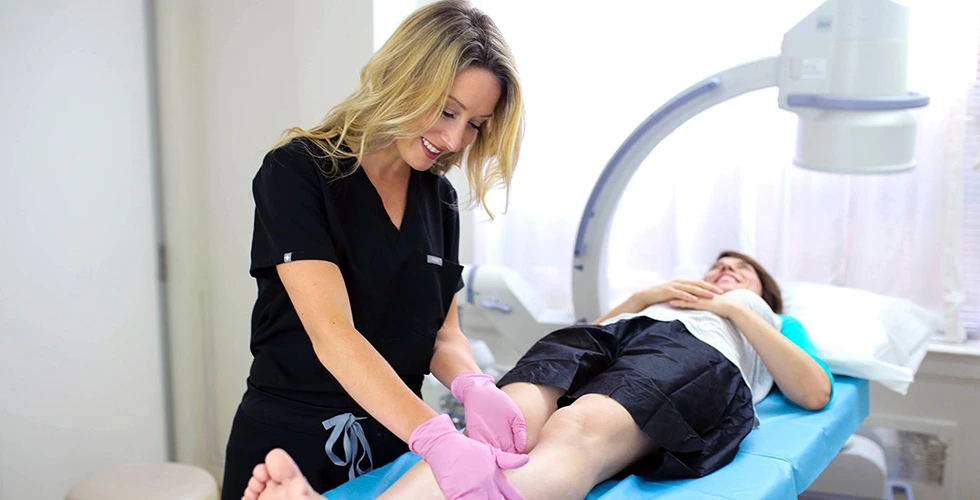
There are many minimally invasive vein treatments that are effective. These include radiofrequency ablation, endovenous laser treatment, venaseal, and ambulatory phlebectomy. Radiofrequency ablation uses heat to destroy the vein. Endovenous laser treatment uses laser energy to destroy the vein. Venaseal is a minimally invasive treatment that uses a medical adhesive to close the vein. Ambulatory phlebectomy is a minimally invasive surgical procedure that removes the varicose veins via small incisions on the skin’s surface.
There are also many conservative treatments that can be effective. These include compression stockings, elevating your legs, and exercising. Compression stockings apply pressure on your veins, which helps to prevent the blood from pooling. Elevating your legs helps to push the accumulated blood towards your heart. And cardiovascular exercises increase the circulation in your legs, which helps to reduce the pressure in your veins. But conservative treatments can only offer temporary relief from the symptoms of vein disease.
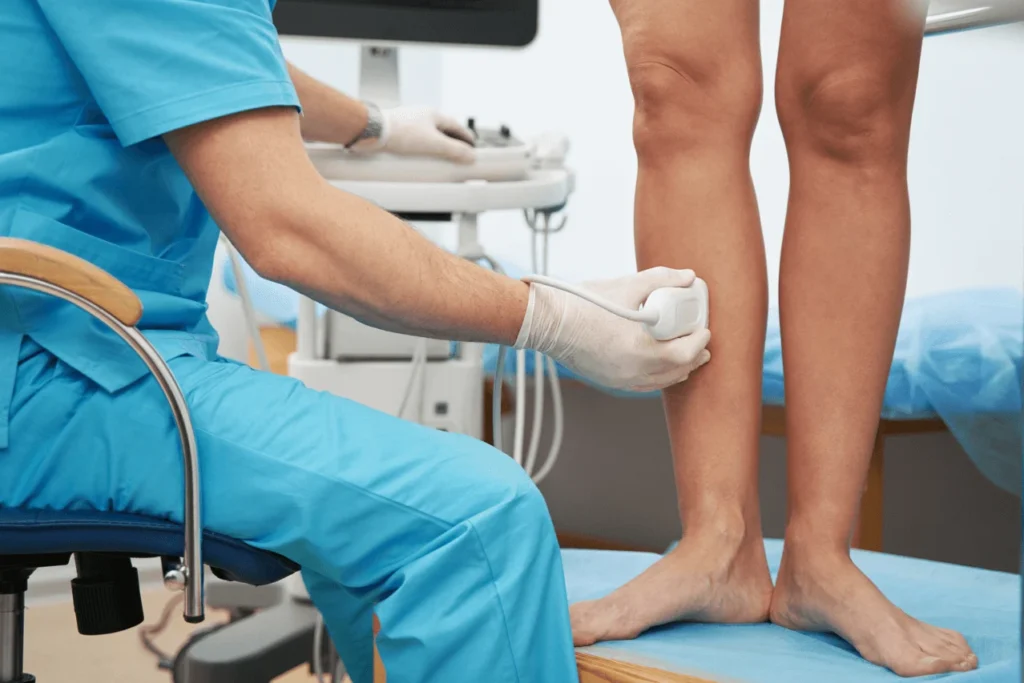
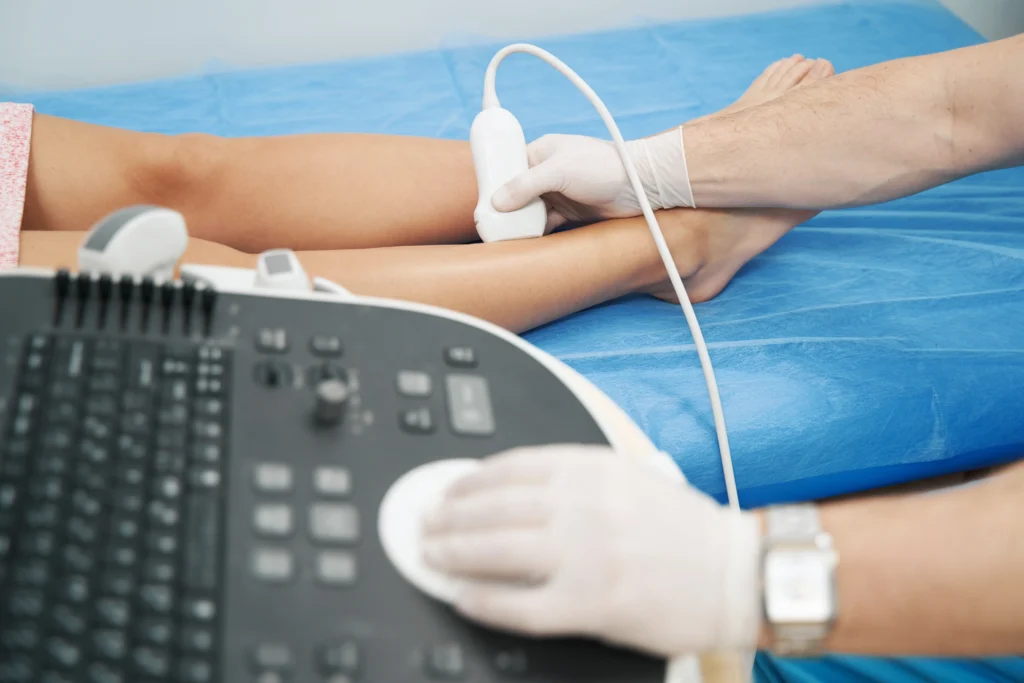
Maryland Vein Clinic is a state-of-the-art medical center specializing in vein treatments. Our vein doctors use cutting-edge ultrasound techniques to visualize the direction of blood flow in your leg veins and determine if you truly have chronic venous insufficiency. After a thorough evaluation, our vein doctors curate a personalized, minimally invasive vein treatment plan, which may include radiofrequency ablation, endovenous laser treatment, and phlebectomy.
You can find our vein clinic at 10215 Fernwood Rd, Suite 301, Bethesda, Maryland, just outside of Washington, DC, in Silver Spring. Please schedule an appointment to explore your minimally invasive treatments for varicose veins.
Your vein treatment plan must address the root cause of your spider veins and varicose veins
There are many treatments available to treat varicose veins, but the most effective treatment is one that addresses the root cause of the problem — chronic venous insufficiency.
Chronic venous insufficiency occurs when the valves in your veins stop working properly. This causes blood to pool in your veins and put pressure on the walls of the veins. Over time, this can cause the veins to become enlarged and twisted – a condition known as varicose veins. If you don’t treat chronic venous insufficiency, the varicose veins will become worse. The veins will become more tortuous and may ulcerate. In some cases, the varicose veins can lead to serious health problems, such as blood clots.
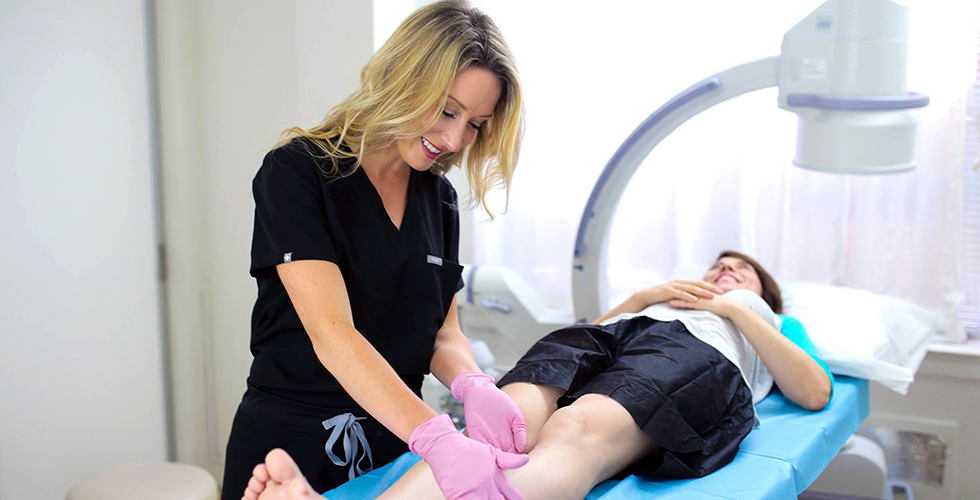
Our vein doctors carefully evaluate your varicose veins, diagnose the root cause of your vein problems, and curate a personalized, minimally invasive treatment plan.
Frequently asked questions about varicose veins
What is the root cause of varicose veins?
There are many causes of varicose veins, but the root cause is always chronic venous insufficiency. This condition occurs when the valves in the veins that carry blood from the legs to the heart become weak or damaged. When this happens, blood can flow backward and pool in the veins, causing them to become enlarged and twisted.
Most often, chronic venous insufficiency is caused by damage to the valves in the saphenous vein, which is the largest vein in the leg. This damage can be the result of trauma (such as a fall or car accident), surgery, or simply the aging process. Some of the primary risk factors for vein disease include pregnancy, obesity, inactivity, or a family history of the condition.
If you are suffering from any of the symptoms of chronic venous insufficiency, it is important to see a doctor for a diagnosis. While there is no cure for the condition, there are treatments that can improve symptoms and slow the progression of the condition.
Is homeopathy for varicose veins in legs effective?
There are a number of treatments available for varicose veins, but one of the most popular is homeopathy. Homeopathy is a form of alternative medicine that uses diluted substances to treat a variety of conditions. There is no scientific evidence to suggest that homeopathy is effective for varicose veins or underlying vein disease. Furthermore, you can’t get insurance coverage for homeopathic treatments — minimally invasive vein treatments are the only scientifically proven means of removing varicose veins.
Should I get my varicose veins treated?
Yes, you should get your varicose veins treated. Here are some reasons why:
- Varicose veins can be painful. They can ache, burn, or feel like a cramp. You may also feel fatigued in your legs.
- Varicose veins can lead to more serious problems. Ulcers can form on the skin over varicose veins. This can cause a bloody discharge, open sores, and infections.
- Varicose veins can get in the way of your daily activities. They can make it hard to walk or stand for long periods of time.
- Varicose veins can be unsightly. They can make your legs look lumpy, swollen, and discolored.
- Varicose veins don’t go away naturally. The only way to eliminate varicose veins is through minimally invasive varicose vein treatments.
How can I stop varicose veins from getting worse?
There are many things you can do to prevent varicose veins and keep them from getting worse. By making some lifestyle changes and using treatments to relieve symptoms, you can improve your condition and quality of life.
- Exercise regularly. This will improve your circulation and prevent pooling of blood in your veins.
- Elevate your legs when you are sitting or lying down. This will relieve pressure on your veins.
- Avoid sitting or standing for long periods of time. If you must sit or stand for long periods, take breaks often to move around and stretch.
- Wear comfortable, supportive shoes. Avoid high heels and tight shoes that constrict your circulation.
- Maintain a healthy weight. Being overweight puts extra pressure on your veins.
- Wear loose-fitting clothing. Tight clothing can constrict your circulation.
- Compression stockings. Wearing compression stockings can improve circulation and reduce swelling.