What are varicose veins?
Varicose veins are veins that have enlarged, often excessively so, and in a rope-like pattern, most commonly seen in the legs. The appearance of varicose veins is caused by weakened valves, along with a buildup of pressure in the veins that cause them to swell and enlarge. Varicose veins can be painful, as these weakened veins cannot circulate blood properly.
Symptoms of varicose veins include heavy legs, leg cramps, leg swelling, aching or itching, and discoloration of the legs. These symptoms can be very frustrating, making everyday activities, such as exercising, difficult. Although they can be unsightly, varicose veins are not life-threatening. However, they can cause long-term health problems, such as chronic leg ulcers, skin sores, and blood clots.
Therefore, it’s important to seek medical advice from vein doctors when you notice the first signs and symptoms of varicose veins. Maryland Vein Clinics is led by nationally renowned vein doctors specializing in cutting-edge, minimally invasive varicose vein treatments. Our vein doctors always diagnose and treat the root cause of varicose veins using the most effective techniques, ensuring safe and consistent results.
You can find our vein clinic at 10215 Fernwood Rd, Suite 301, Bethesda, Maryland. Please schedule an appointment at your nearest vein clinic in Maryland.

What’s the difference between varicose veins and spider veins?
Most of us have experienced some vein disorder, but do you know the difference between varicose veins and spider veins? Varicose veins are typically larger, more visible veins that twist and bulge, while spider veins are smaller, less obvious, and appear as a web-like pattern on the skin’s surface.
Varicose veins occur when the valves that keep blood flowing in the right direction become weak and allow blood to flow backward. This causes the veins to enlarge, making them visible and often painful. On the other hand, spider veins are caused by damaged capillaries and are usually seen on the face and legs. Unlike varicose veins, spider veins are small and thin and do not bulge out from the skin. They tend to form in a web-like pattern and can be blue or red.
What causes varicose veins?
So what causes varicose veins? In the majority of cases, varicose veins are caused by a condition called chronic venous insufficiency (CVI). This condition occurs when the valves in the veins degrade over time, which can slow or even stop the normal flow of blood back to the heart. When this happens, blood stops flowing back as it’s supposed to and can start to pool in the veins, leading to swelling and varicose veins.
In addition to CVI, other factors contributing to varicose veins include age, genetics, gender, pregnancy, and obesity. People with occupations or activities that involve long periods of standing or sitting can also be more prone to developing varicose veins due to the pressure on the veins caused by these positions.
If you think you may be susceptible to varicose veins, you can take a few simple precautions to minimize the risk. Wearing compression stockings can promote healthy blood flow in your legs and support your lower body. Elevating your legs periodically can help avoid pooled blood in the lower extremities. Healthy lifestyle choices, such as having a balanced diet and regular exercise, can promote healthy circulation.
If you do end up developing varicose veins, there are a variety of treatment options available, such as compression stockings, lifestyle changes, and minimally invasive procedures, such as endovenous laser ablation, radiofrequency ablation, venaseal, and ambulatory phlebectomy.
How can you diagnose varicose veins?
The most common symptom of varicose veins is bulging, swollen veins that look like twisted cords and typically appear in the legs. They may also cause an aching or burning sensation in the legs. In addition, some people experience skin discoloration, itching, or swelling of the leg. If you are experiencing these symptoms, you must consult a vein doctor promptly.
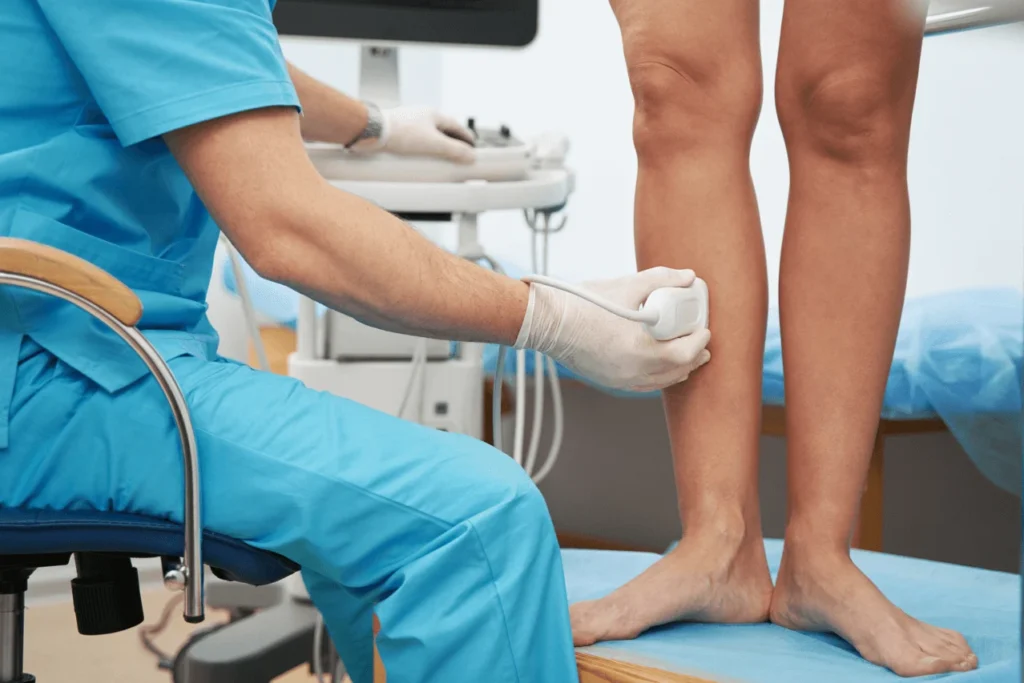
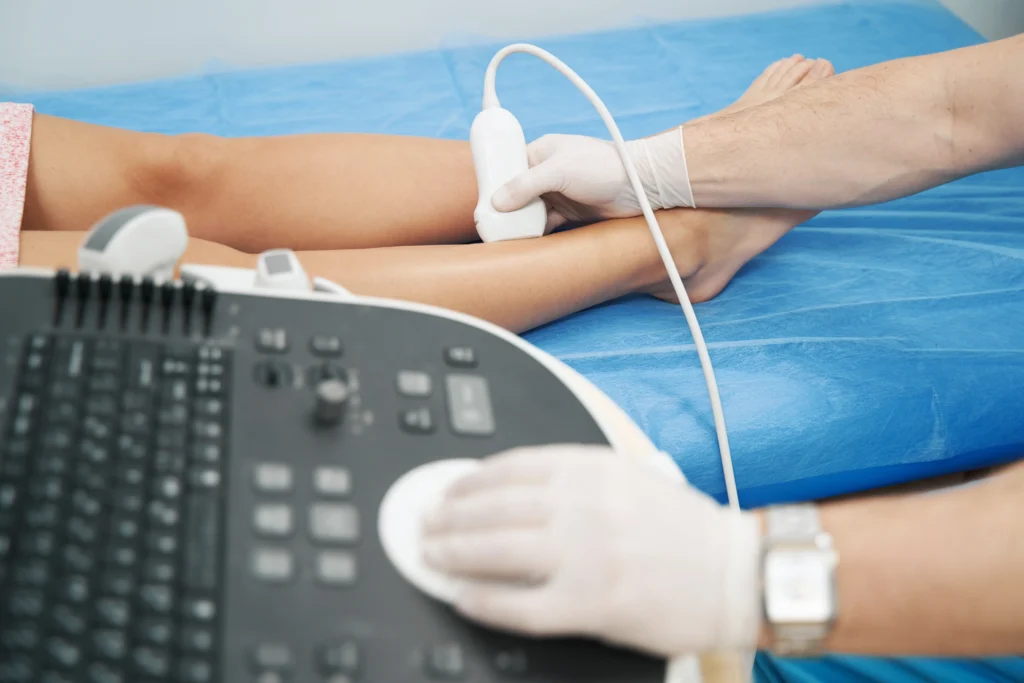
A vein doctor can diagnose varicose veins by assessing your medical history and physical symptoms and conducting a physical examination. Your doctor may also use imaging tests, such as duplex ultrasound, to better understand your condition. Duplex ultrasound involves using ultrasound energy to visualize the direction of blood flow in your leg veins to diagnose chronic venous insufficiency.
What are the consequences of untreated varicose veins?
When varicose veins are left untreated, the most common complication is the development of thrombophlebitis, an inflammation of the veins caused by a clot. If the clot becomes large enough, it can block blood flow in the vein, causing it to rupture, or a dangerous blood clot can travel to the lungs and cause a pulmonary embolism.
Leaving varicose veins untreated can also put you at a greater risk for skin problems such as eczema and dermatitis, which can become very severe and cause open sores if left untreated. Over time, serious skin ulcers can develop at the site of the varicose veins, which can be incredibly painful, itchy, and unsightly.
Varicose veins can also lead to discomfort in the legs and feet, including aching, tingling, swelling, and cramps. The area may also become tender, red, and discolored, leading to an increased risk for infection. The best way to avoid complications related to varicose veins is to seek treatment as soon as possible.
Which specialist treats varicose veins?
Varicose veins can be a nuisance for many, but fortunately, there is help! The best specialist to see for treatment is a vascular specialist. Vascular specialists are medical professionals who specialize in diagnosing and treating conditions that affect the veins. They understand the anatomy and physiology of the veins, the treatments available, and how to best achieve the best outcome. With their help and expertise, you can find relief and hope for a more comfortable life.